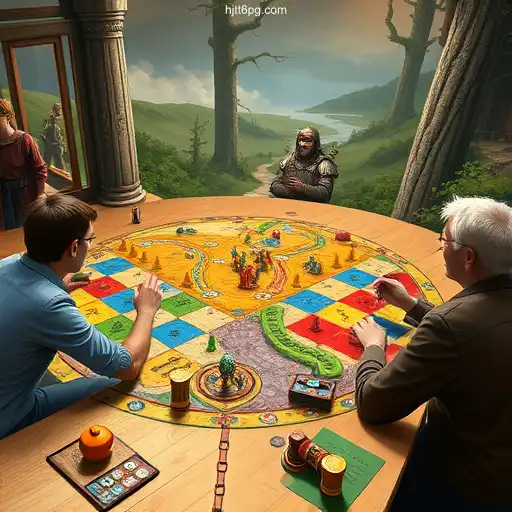
The Fascinating World of Tabletop Games
In an era dominated by digital entertainment, the allure of tabletop games remains as strong as ever. These physical games, ranging from classic board games to intricate role-playing games, offer a tactile and social experience that electronic alternatives often lack. One such game that has captured the imagination of players around the globe is The Settlers of Catan. This evergreen game requires strategic thinking and fosters interaction among players, making it a staple at game nights.
History and Evolution
The history of tabletop games is both rich and diverse, tracing back thousands of years. Ancient civilizations like the Egyptians played games such as Senet, while Romans were known for Ludus Latrunculorum. These games were not just pastimes but also reflections of cultural and societal norms.
Fast forward to the 20th century, the advent of games like Monopoly and Risk marked the beginning of a new era. These games offered strategic depth and became focal points for family gatherings. With each passing decade, the complexity and variety of tabletop games expanded, evolving to include role-playing games like Dungeons & Dragons, which introduced expansive narratives and player freedom into the mix.
Modern-Day Tabletop Gaming
Today, the tabletop gaming industry is experiencing a renaissance. Innovations in game design and storytelling have led to a golden age of board games. Titles like Gloomhaven and Pandemic Legacy challenge players with intricate mechanics and evolving narratives. The rise of Kickstarter and similar platforms has allowed independent creators to bring fresh ideas to life, further diversifying the tabletop gaming landscape.
Moreover, these games foster a unique sense of community, bringing together people of different backgrounds to share in a collective experience. In this digital age, where social interactions are increasingly mediated through screens, the face-to-face interaction provided by tabletop games is profoundly refreshing.
The Influence of Digital Trends
The digital age has inevitably permeated the world of tabletop gaming. Apps and online platforms now complement many games, allowing players to engage with others across the globe. This hybrid model expands the gaming community and makes these experiences accessible to those unable to gather in physical locations.
Licenses such as HJTT6 cassino online licenciado com 2.500+ jogos certificados, bônus R$ 5.000🍀 exemplify the seamless integration of gaming worlds, providing enthusiasts with a blend of traditional and modern experiences. While distinct from board games, these platforms echo the spirit of communal play, offering myriad options for those seeking both strategy and entertainment.
Strategy and Skill
One of the key elements that define tabletop games is the strategy required to succeed. While luck plays a role in many games, strategic thinking remains paramount. Players must often make tactical decisions, manage resources, and negotiate with others. This not only challenges cognitive skills but also encourages social interaction and cooperation.
Even in games where competition is fierce, the emphasis is on fair play and good sportsmanship. The development of these skills is what makes tabletop gaming a beneficial activity for players of all ages.
Design and Aesthetics
In recent years, the design and aesthetics of tabletop games have reached new heights. Beautifully illustrated boards, intricately designed pieces, and immersive storytelling have become the norm. This attention to detail enhances the gaming experience, drawing players into richly crafted worlds where creativity and imagination reign supreme.
Some games, due to their artistic components, have even been showcased in art galleries. This blend of artistry and gameplay highlights the medium's potential for cultural significance beyond simple amusement.
The Role of Tabletop Games in Socialization
Tabletop games serve as a powerful tool for socialization. Playing these games requires players to converse, negotiate, and often work together towards a common goal. Such interactions can strengthen relationships and forge new friendships, acting as social catalysts amidst a digitally-driven world.
Family game nights have benefited from the diversity found in modern board games, catering to different age groups and interests, thereby bringing generations together in a shared experience.
The Future of Tabletop Gaming
As we look towards the future, the tabletop gaming industry shows no signs of slowing down. The continuous innovation in game mechanics and narrative structures promises exciting new developments on the horizon. Additionally, the integration of technology, including augmented reality and digital components, offers intriguing possibilities for hybrid games. These innovations are expected to continue attracting new audiences, further solidifying the appeal of tabletop games in the modern world.